Homeowners are still fixing up their houses, but the pace of spending growth is about to flatten. The latest Leading Indicator of Remodeling Activity (LIRA) from the Joint Center for Housing Studies of Harvard University projects that year-over-year growth in renovation and repair spending will slow to just 0.5% by the first quarter of 2027.
Table of Contents
What the forecast says
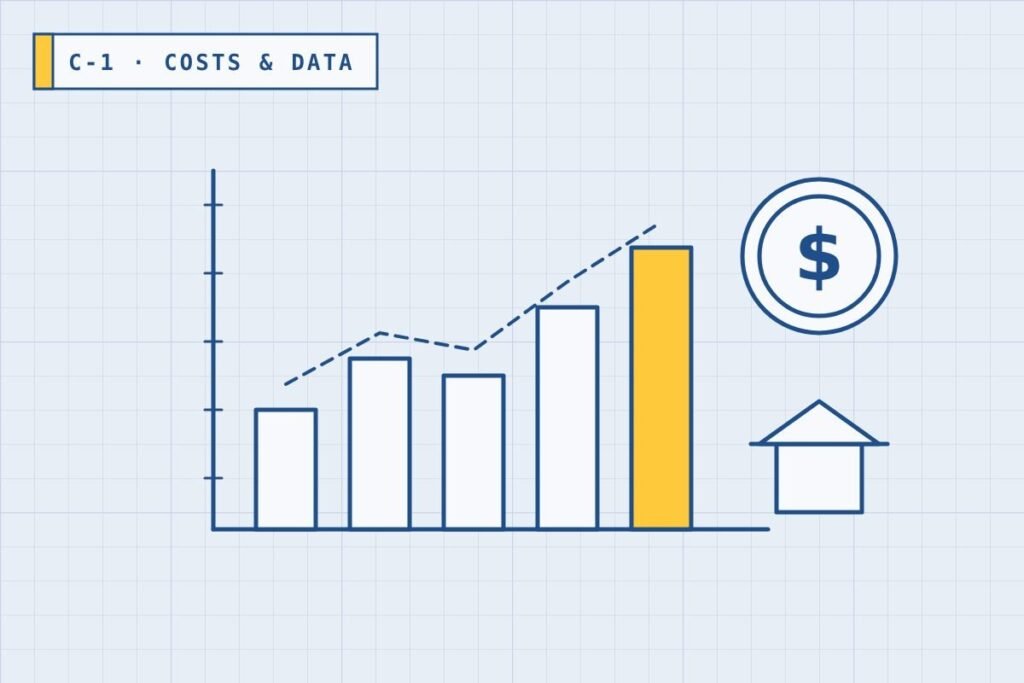
The LIRA projects that annual spending on home improvements and repairs will edge up from $521 billion in the first quarter of 2026 to $523 billion in the first quarter of 2027. Growth is expected to decelerate from 1.8% in the second quarter of 2026. A 0.5% gain is still positive in dollar terms, but it is below overall inflation, so in real terms remodeling activity would be roughly flat.
Why growth is cooling
The Joint Center points to flat remodeling permits and flat retail sales of building products, both signs that interest in home improvement has stalled. Remodeling tends to follow the wider housing market, and without a sustained rebound in home sales and construction, the researchers expect spending to stay in a low-growth range, with homeowners spending at roughly last year’s levels.
How we got here
The slowdown follows a volatile few years. Annual growth peaked at 11.9% in the second quarter of 2023, slipped below zero by the end of that year and bottomed at −2.7% in the third quarter of 2024, before turning positive again in the second quarter of 2025.
What it means for your project
A cooler remodeling market can work in a homeowner’s favour. When demand levels off, contractors often have more open dates and more reason to sharpen their prices, so this is a good time to collect several written bids and compare them line by line. Check each quote against our cost guides before you sign, and read which projects add the most value if resale is on your mind.
Source: Remodeling Growth to Slow Sharply in Early 2027, Joint Center for Housing Studies of Harvard University. Figures in this article come from that source.